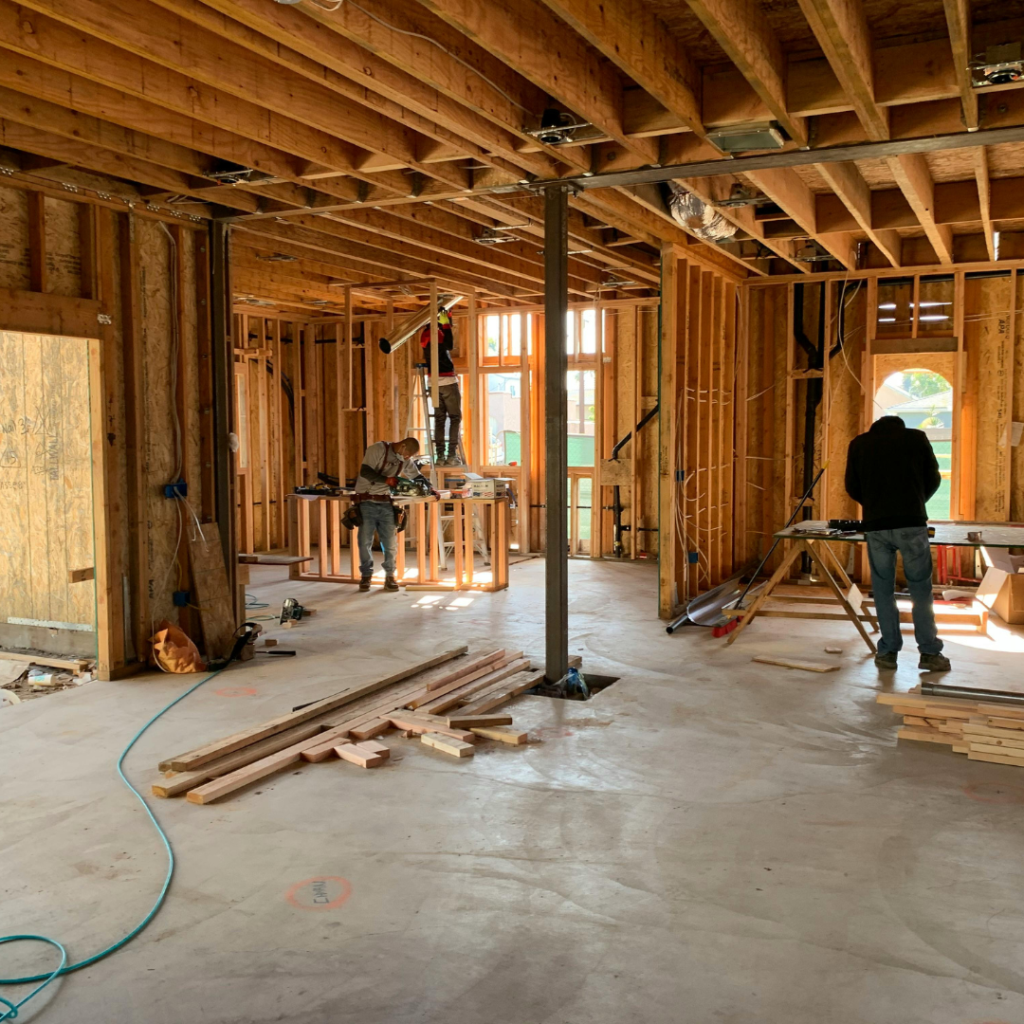
The 2025 National Building Code of Canada Aims to Prevent Radon Exposure in New Canadian Homes.
Radon has been one of Canada’s most significant public health risks for the past several decades, but is perhaps one that the public as a whole knows the least about. As the second leading cause of lung cancer after smoking tobacco and the leading cause among people who have never smoked tobacco, radon is estimated to be responsible for >26,000 new lung cancers diagnosed between 2019-2025 in Canada. Yet, because it is invisible, odourless, and tasteless, most people are unaware whether they are being exposed to this cancer-causing gas at home.
The release of the 2025 National Building Code of Canada (NBC) marks an important milestone in reducing future radon exposure in Canada. Among its many updates, the new federal code now requires (at least) a passive vertical radon stack in dwelling units and home-type care occupancies, ensuring all newly built homes have radon-reduction measures prior to occupancy.
A Shift from Reactive to Proactive Protection
Previous editions of the National Building Code included some measures to reduce soil gas entry into buildings, but did not directly address radon. The 2025 NBC takes a major step forward by requiring at least a passive vertical radon stack as part of new residential construction.
A passive radon stack is a vertical pipe that extends from beneath a home’s foundation through the roof, creating a pathway and helping to vent soil gases. While the system is passive by default, it can be converted into an active radon mitigation system in a straightforward manner by adding a fan if testing later reveals elevated radon levels. Our team also understands that home builders have the option to install active radon systems ‘at-build,’ either through the roofline or via the side wall, as is current practice for retrofitted radon mitigation systems.
These proactive changes represent an important shift in Canada’s approach to radon – from responding to a problem after it is discovered to preparing homes during construction so mitigation is fully built into home construction and/or can be enhanced more quickly, effectively, and at a lower cost if necessary.

Why Are ‘Radon Stacks’ Needed?
Radon is a radioactive gas that arises naturally from the earth, existing beneath our homes. Outdoors, radon disperses harmlessly into the atmosphere. Indoors, however, modern airtight buildings prevent the natural dilution of radon, allowing it to occur at potentially very high levels that increase the lifetime risk of lung cancer experienced by people breathing that air.
One of the challenges with radon control is that a home’s future radon levels cannot be accurately predicted during construction. Two neighbouring homes built on the same street can have dramatically different radon levels because of variations in home design, foundation characteristics, pressure differences within the building, and the behaviour of the people who eventually live in the home.
Given the widespread problem of high radon across nearly all Canadian communities, and since elevated radon levels often cannot be identified until a home is built and occupied, incorporating radon-reduction infrastructure during construction provides a practical and cost-effective solution.
Provincial Adoption May Take Time
Although the 2025 National Building Code has been published, the four most populated provinces require an additional step of provincial review and adoption before it can be put into practice. Provinces with their own Building Codes include BC, Alberta, Ontario and Quebec. In some cases, as well as in other provinces and territories, there are additional layers of review within municipalities.
The four provinces that develop their own building codes do so based on the National Building Code, and often include provincial amendments. Historically, the provincial adoption process has taken anywhere from a few months to five years, meaning not every new home built in 2026 or even shortly thereafter will immediately include a radon mitigation system.
For builders, developers, and future homeowners, it is important to understand that implementation timelines will vary across Canada, especially in BC, Alberta, Ontario and Quebec. Additionally, the public must expect some time for the construction industry to train their workforce to implement the new measures appropriately and effectively.
Progress in Prevention, But Testing Remains Essential
The introduction of passive vertical radon stacks represents one of the most significant advancements in Canadian radon prevention policy in recent years. By incorporating radon reduction measures directly into new home construction, the 2025 NBC is helping reduce future mitigation costs while improving long-term public health.
As a newly emerging building practice that requires evaluation over time, radon testing will remain important to evaluate whether the passive radon stacks are working as intended. There are also millions of existing Canadian homes that were built before these new requirements existed. Whether a home is brand new or decades old, the only way to know its radon concentration is through a long-term radon test.

The 2025 National Building Code is an important step toward healthier homes across Canada. But preventing radon-induced lung cancer will continue to rely on informed homeowners who test their homes and, when necessary, take action to reduce elevated radon levels.